Dependable Pool Care Service for Crystal Clear Waters
A trustworthy pool cleaning service is crucial in maintaining clear and healthy waters. With professional expertise and advanced equipment, these services effectively manage chemical balances and prevent potential health hazards. Routine upkeep not only improves a pool's aesthetic appeal but also protects its longevity. Recognizing the key benefits and considerations of hiring such a service can result in informed decisions for pool owners. What factors should be taken into account when selecting the right service?
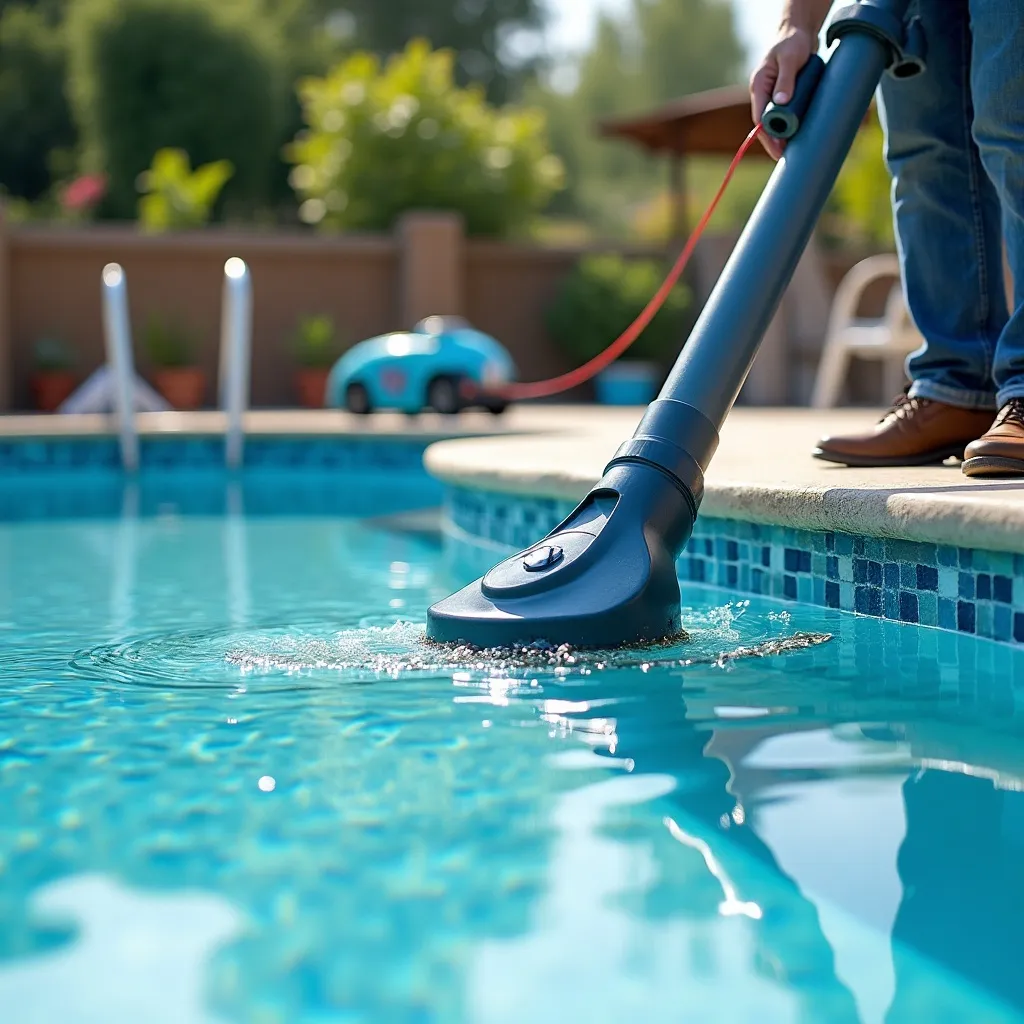
Why Select a Responsible Pool Upkeep Business?
Why ought property owners evaluate a trustworthy pool maintenance option? The care of a pool needs regular attention to guarantee water quality and safety. Homeowners often are without the time or expertise to manage this properly. A reliable pool cleaning service offers expert skills and tools, confirming that the pool stays clean and inviting. By entrusting the task to professionals, homeowners can sidestep potential health hazards connected with unclean water, such as algae growth and harmful bacteria.
Additionally, these solutions can help lengthen the life of the pool's infrastructure by resolving issues like debris accumulation and chemical balance. Homeowners can also profit from routine inspections, identifying problems before they worsen into costly repairs. Ultimately, retaining a dependable pool cleaning service allows homeowners to enjoy their pool without the stress of maintenance, providing peace of mind and enhancing their overall swimming experience.
Key Advantages of Engaging a Pool Cleaning Service
While many home owners may downplay the value of pool cleaning, engaging a specialized pool maintenance company offers countless benefits that enhance both the pool's state and the proprietor's enjoyment. One significant advantage is the expertise these professionals contribute, ensuring that all facets of pool care—from chemical balancing to equipment maintenance—are addressed correctly. This proficiency helps in preventing costly repairs over time.
Moreover, a consistent cleaning schedule relieves the load on homeowners, allowing them to appreciate their pool without the stress of upkeep. Professionals also use specialized equipment and high-quality cleaning solutions that can deliver superior results compared to DIY methods.
In addition, engaging a service frees up time, allowing homeowners to prioritize leisure rather than chores. Ultimately, the expenditure in a pool cleaning service establishes a more inviting, clean swimming environment, amplifying both the aesthetic appeal and functionality of the pool.
Vital Factors for Selecting a Pool Maintenance Specialist
Selecting the appropriate pool cleaning service demands careful consideration of several key factors. Primarily, a reputable service should maintain proper certifications, including licenses and insurance, ensuring compliance with local regulations and delivering protection against conceivable legal issues. Subsequently, customer reviews and testimonials act as important signals of trustworthiness and caliber, enabling prospective clients to determine the service's reputation.
Additionally, the variety of offerings provided is essential; a thorough cleaning service should include regular maintenance, chemical balancing, and equipment checks. Transparency in pricing is yet another key consideration, as clear and upfront estimates help avoid unexpected costs. Moreover, a commitment to using environmentally friendly products can improve the service's attractiveness, aligning with the preferences of environmentally aware customers. Finally, the availability of flexible scheduling options guarantees that the offering can meet clients' unique needs, boosting general satisfaction and ease.
Contrasting Pool Cleaning Methods: Advantages and Disadvantages
When assessing pool cleaning methods, it is crucial to comprehend the advantages and disadvantages of each approach. Manual cleaning allows for thorough attention to detail but can be demanding and lengthy. Automatic cleaners offer ease and effectiveness, though they may not reach every corner of the pool.
Chemical formulations are reliable in sterilizing, but careless application can lead to skewed chemical composition. In alternatively, nature-based cleaning solutions, like using biological agents, are environmentally safe but may require more frequent applications to retain clearness.
Robotic cleaners are becoming more common, delivering an balance between automation and performance yet may carry a substantial initial expense. In the end, which cleaning technique you opt for relies on available funds, your schedule, and what you prefer. Understanding the positives and negatives allows pool owners to decide intelligently and maintain their water quality so it remains sparkling and attractive.
How Regular Should Your Pool Cleaning Schedule Be?
Ascertaining how regularly a pool needs cleaning involves several factors that can substantially influence upkeep requirements. Climatic shifts, the intensity of pool usage, and overall pool purity are fundamental factors in formulating a productive maintenance regimen. Comprehending these facets can enable pool proprietors to sustain a safe and enjoyable swimming environment.
Seasonal Cleaning Guidance
Ongoing pool maintenance is critical for sustaining a protected and inviting swimming atmosphere. Periodic recommendations recommend that pool managers should schedule maintenance in accordance with the specific needs of their pool and local climate. In spring, a thorough upkeep is necessary to remove debris that accumulated over winter. During the summer months, weekly upkeep are often suggested to maintain increased usage patterns and algae expansion. As autumn approaches, more frequent upkeep may be essential to handle leaves and other natural matter. In winter, if the pool is not actively used, twice per month care can help prevent issues like freezing and algae deposits. Maintaining these periodic guidelines assures peak pool status, safety, and gratification throughout the year.
Pool Usage Frequency Rate Results
How frequently should pool proprietors consider maintaining their pool? The regularity of pool upkeep largely depends on how often it's used. For pools that see constant usage, especially in warmer months, a weekly cleaning schedule is recommended to maintain ideal hygiene and appearance. In contrast, pools that are utilized sparingly may only require maintenance every two weeks. Weather-related considerations also factor in; for instance, in the fall, leaves and debris may require more regular attention. Additionally, the number of swimmers brings in contaminants, which can speed up the need for cleaning. Understanding these dynamics helps pool owners create a tailored cleaning routine that guarantees a clean, appealing pool setting without unnecessary maintenance costs.
Water Quality Evaluation
The cleanliness of pool water is a significant factor in creating a safe and pleasant swimming environment. Regular cleaning is vital to maintain ideal water quality, typically suggested once a week for residential pools. However, the frequency may vary based on multiple factors, including detailed guide pool usage, weather conditions, and surrounding vegetation. Heavy usage or debris-laden environments may necessitate more frequent cleaning. Additionally, regular testing of water chemistry—such as pH and chlorine levels—is essential to ensure sanitary conditions. Neglecting these aspects can lead to algae growth, cloudy water, and possible health risks. Consequently, investing in a reliable cleaning service not only improves the pool's appearance but also protects the health of its users.
What Issues Occur Without Routine Care?
Disregarding pool maintenance can result in numerous challenges that compromise both the safety and satisfaction of the swimming setting. Lacking habitual cleaning, debris accumulates, generating a breeding ground for bacteria and algae development, which can create dangers to health to swimmers. Furthermore, unbalanced chemical levels may produce skin irritation, discomfort in the eyes, or even worse health complications.
As time passes, the pool's filter apparatus can become congested, reducing its efficiency and resulting in murky water. Additionally, neglecting routine checks can cause foundational harm, including cracks in the pool surface and corrosion of metal components. This decline not only impacts aesthetics but can also result in expensive restoration. In summary, failing to maintain a pool compromises its functionality and safety, ultimately lessening the pleasure of swimming and boosting extended financial costs for the owner. Consistent upkeep is vital for protecting a clean, safe, and enjoyable pool environment.
Common Pool Cleaning Mistakes to Avoid
Regular upkeep is crucial for preventing a variety of problems, but even diligent pool owners can make errors during the cleaning process. One frequent mistake is neglecting to monitor chemical levels before cleaning. Improper balance can lead to algae growth or cloudy water, undermining the cleaning effort. Additionally, employing the wrong tools can damage surfaces; for instance, metal brushes can scuff vinyl liners.
Neglecting the skimmer and pump baskets is another common mistake. These can limit water flow and reduce cleaning efficiency if not cleared regularly. Some owners fail to maintain filters regularly, leading to diminished performance and increased energy expenses.
In conclusion, cleaning infrequently can create a accumulation of dirt and pollutants. By sidestepping these frequent problems, pool owners can confirm their maintenance plans are productive, preserving their waters sparkling and appealing for all.
Frequently Requested Questions
What methods can I use to validate if my pool cleaner is properly certified?
To ascertain if a pool cleaner is properly licensed, one should review their qualifications with appropriate professional bodies, verify licensing requirements, and ask about their knowledge and background in pool upkeep and safety standards.
What Compounds Do Pool Maintenance Companies Usually Use?
Pool maintenance experts typically apply chlorinated products, pH adjusters, algaecides, and water clarifying solutions. These chemicals preserve water transparency, prevent algae growth, and guarantee safe swimming conditions, enhancing effective pool care and overall cleanliness.
Can a Pool Cleaning Service Manage Repair Work as Well?
Several pool service providers extend restoration capabilities, handling concerns such as leaks, mechanical failures, or structural wear. Their proficiency facilitates for both upkeep and restoration, guaranteeing pools remain safe and functional for users.
What Ways Do Environmental Elements Influence Your Pool Cleaning Plan?
Environmental elements significantly shape pool cleaning plans. Rain, wind, and extreme temperatures can slow down services, demanding changes. Additionally, storms may deposit particles, calling for increased upkeep to maintain pool sanitation and clarity.
What should I prepare ahead of the Pool Cleaning Service gets there?
As the pool cleaning service approaches, the homeowner should take away any pool toys, furniture, and debris from the area. Additionally, assessing the water level and ensuring access to equipment can enable a smoother cleaning process.